

Air Conditioner Servicing Guide: How Often You Really Need It
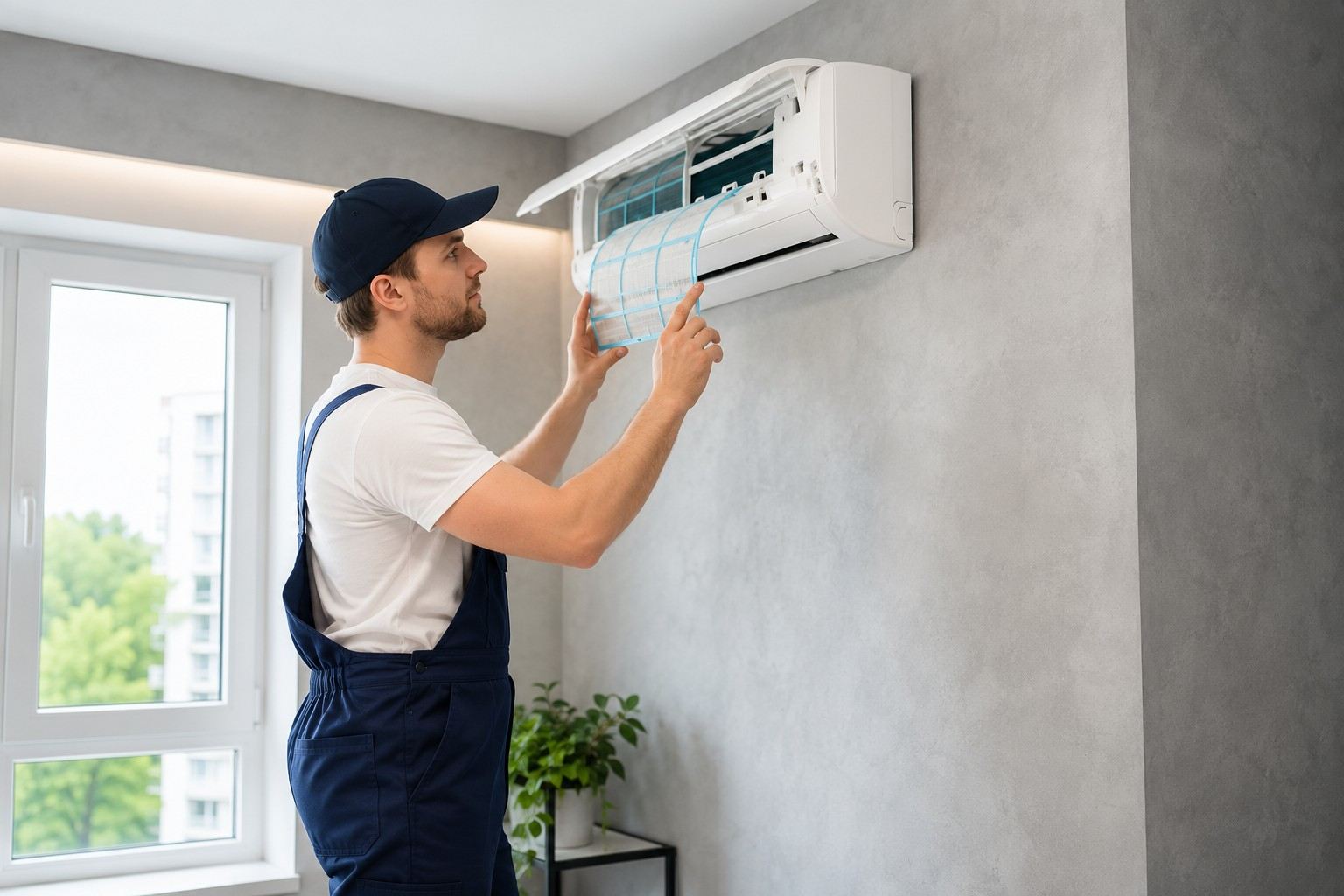
Keeping your air conditioner in good condition is one of the easiest ways to enjoy cool air, reduce electricity bills, and avoid costly repairs. Most air conditioners should be serviced every three to six months, although the ideal schedule depends on how often you use the unit, your indoor environment, and the type of air conditioning system installed.
In Singapore’s hot and humid climate, regular aircon servicing is even more important because dust, moisture, and mould can accumulate quickly. This guide explains how often to service air conditioner, what influences the servicing frequency, and the simple steps you can take to keep your system operating efficiently throughout the year.
Why Regular Air Conditioner Servicing Matters
Regular air conditioner servicing helps your unit operate efficiently, reduces the risk of unexpected breakdowns, and lowers long-term maintenance costs.
Regular servicing allows you to:
- Experience efficient cooling by removing dust from filters, coils, and fan blades.
- Save money on electricity bills because the system uses less energy to cool your home.
- Improve indoor air quality by removing dust, allergens, mould, and other accumulated particles.
- Prevent expensive repairs by resolving minor issues before they develop into major problems.
- Enjoy consistent cooling, allowing your air conditioner to perform effectively throughout the year.
Regular servicing ensures your air conditioner remains efficient and reliable enough to handle Singapore’s demanding climate.
How Often Should Aircon Be Serviced in Singapore?
Usage | Recommended Servicing |
Every day (8–12 hours) | Every 2–3 months |
Daily home use (5–8 hours) | Every 3 months |
Moderate use (3–5 hours) | Every 4 months |
Light use (1–2 hours) | Every 6 months |
Rarely used units | At least once a year |
What Determines How Often to Service an Air Conditioner?
The ideal servicing schedule depends on how you use your air conditioner and the environment around it. Understanding these factors helps keep your system efficient, extends its lifespan, and reduces the likelihood of unnecessary repairs.
How Often You Use It
The more frequently you use your air conditioner, the greater the amount of dust accumulation and wear on its components. Units that operate every day will usually require servicing every two to three months to maintain optimal performance.
Environmental Factors Around Your Home
Dust, humidity, and nearby renovation or construction work can cause your air conditioning unit to become dirty much more quickly. As a result, your system may require more frequent servicing to maintain efficient operation.
Number of People in the Household
Homes with larger families generally produce more dust, fibres, and airborne particles through everyday activities. These particles can clog air filters more quickly, making regular maintenance necessary to keep the system operating efficiently.
Type of Air Conditioner
There are several types of air conditioners available on the market. Split systems, multi-split systems, and commercial air conditioning systems all have different servicing requirements depending on their design, capacity, and usage patterns.
Signs Your Air Conditioner Needs Servicing Sooner
Your air conditioner may require servicing before its next scheduled maintenance visit. Identifying problems early can help prevent expensive repairs and maintain reliable cooling performance.
- Weak or Warm Airflow: Poor cooling performance or weak airflow may indicate that the filters, evaporator coils, or drainage system are clogged with dust and debris.
- Higher Electricity Bills: An unexpected increase in electricity consumption may indicate that your air conditioner is working harder than normal to achieve the desired temperature.
- Unusual Noises: Buzzing, rattling, grinding, or other unusual sounds may be caused by loose, damaged, or worn components that require professional attention.
- Water Leaks: Water leaking from the indoor unit often indicates a blocked condensate drainpipe or drainage issue that should be resolved promptly.
- Unusual Odours: A musty smell usually indicates mould growth inside the unit, while a burning smell may suggest an electrical fault that requires immediate inspection.
What Happens During a Professional Air Conditioner Service?
Professional air conditioner servicing involves much more than simply cleaning the filters. A comprehensive service improves cooling performance, maintains energy efficiency, and identifies minor issues before they develop into costly repairs.
Inspection of Indoor Unit
The technician inspects the indoor unit for dust, mould, signs of damage, and loose electrical connections. They will also test the controls to ensure the system operates safely and correctly.
Cleaning of Filters
The air filters are cleaned or replaced to remove accumulated dust and improve airflow. Clean filters help your air conditioner cool more efficiently while maintaining healthier indoor air quality.
Cleaning the Evaporator Coil
The evaporator coil is cleaned to remove dirt and grime that restrict heat transfer. A clean coil improves cooling efficiency and allows the air conditioner to operate more effectively.
Checking of Drainage Pipe
The drainage pipe is inspected for blockages and signs of water leakage before being cleaned where necessary. This ensures condensate drains away properly and helps prevent water damage.
Inspection of the Outdoor Unit
The outdoor unit is checked and cleaned to remove dust, leaves, and debris that may obstruct airflow. Good ventilation is essential for efficient cooling performance and reliable operation.
Performance Testing
The technician tests the cooling performance, airflow, and overall operation of the system. They may also inspect the refrigerant level and recommend further servicing or gas top-up if required.
Common Mistakes That Reduce An Air Conditioner’s Lifespan
Simple maintenance mistakes can reduce your air conditioner’s efficiency and shorten its lifespan. Avoiding these common errors helps keep your system operating reliably and efficiently.
- Waiting Until It Breaks Down: Delaying servicing until the unit stops working often results in more extensive damage and significantly higher repair costs.
- Neglecting to Clean the Filters: Dust-clogged filters restrict airflow and reduce cooling efficiency. Cleaning them regularly helps maintain consistent performance.
- Setting the Temperature Too Low: Running your air conditioner at 16°C increases electricity consumption without improving cooling performance. A temperature between 24°C and 26°C is generally recommended for comfort and energy efficiency.
- Blocking Airflow: Placing furniture or other objects in front of the indoor unit restricts airflow, reducing cooling performance and forcing the system to work harder than necessary.
Tips to Keep Your Air Conditioner Running Longer
A few simple maintenance habits can help your air conditioner operate more efficiently and reduce the likelihood of unexpected problems.
- Routine care not only improves performance but also extends the lifespan of the unit.
- Clean the air filters every two to four weeks to maintain good airflow and efficient cooling.
- Keep all windows and doors closed while the air conditioner is operating to prevent cool air from escaping.
- Remove leaves, dust, and other debris from the outdoor unit to ensure unrestricted airflow.
- Maintain a consistent temperature instead of adjusting the thermostat frequently, as this helps improve efficiency.
- Arrange professional air conditioner servicing before you notice a decline in cooling performance or system efficiency.
By following these straightforward maintenance practices, you can keep your air conditioner operating smoothly, efficiently, and reliably throughout the year.
Conclusion
Knowing how often to service air conditioner helps protect both your comfort and your budget. While every household has different cooling requirements, most homes in Singapore benefit from professional servicing every three to six months. Regular maintenance keeps the system operating efficiently, improves indoor air quality, and reduces the likelihood of costly repairs. It also allows technicians to identify minor issues before they develop into major faults. When combined with simple habits such as cleaning the air filters regularly and keeping the outdoor unit free from dust and debris, professional aircon servicing chemical wash helps your air conditioner deliver reliable cooling and dependable performance for many years.
Key Takeaways
- Service your air conditioner every three to four months for typical household use in Singapore.
- Increase servicing to every two to three months if the unit operates continuously or is exposed to dusty environments.
- Arrange a chemical wash annually if regular servicing no longer resolves unpleasant odours or reduced cooling performance.
- Do not wait until a fault develops. Arrange servicing as soon as you notice weaker cooling, unusual noises, or other warning signs.
- Set servicing reminders or sign up for an annual maintenance contract to ensure regular maintenance is not overlooked.
If your air conditioner has not been serviced for six months, arrange a professional servicing appointment before problems develop.
Frequently Asked Questions
How often should aircon be serviced in Singapore?
For most households, servicing every three to four months is recommended because of regular usage and Singapore’s humid climate. Units that are used infrequently may only require servicing every five to six months.
Is servicing every six months ever sufficient?
Yes, but only for air conditioners that receive very light use, such as those installed in spare rooms. Units used regularly should generally be serviced every three to four months to help prevent drainage blockages, mould growth, and reduced cooling efficiency.
What's the difference between general servicing and a chemical wash?
General servicing includes cleaning the filters, coils, and essential components every three to four months. A chemical wash is a more thorough cleaning process that uses specialised cleaning solutions and is usually recommended annually or when performance issues persist.
Does location really affect servicing frequency?
Yes. Air conditioners installed in lower-floor homes near busy roads or construction sites usually collect dust much faster and may require servicing every two months. Units installed on higher floors in cleaner environments may only require servicing every three months.
What happens if I never service my air conditioner?
Without regular servicing, cooling performance gradually declines, electricity consumption increases, water leakage and mould growth become more likely, the unit’s lifespan is shortened, and major components such as the compressor may eventually fail.