

Do You Really Need a Chemical Wash for Aircon Compressor?
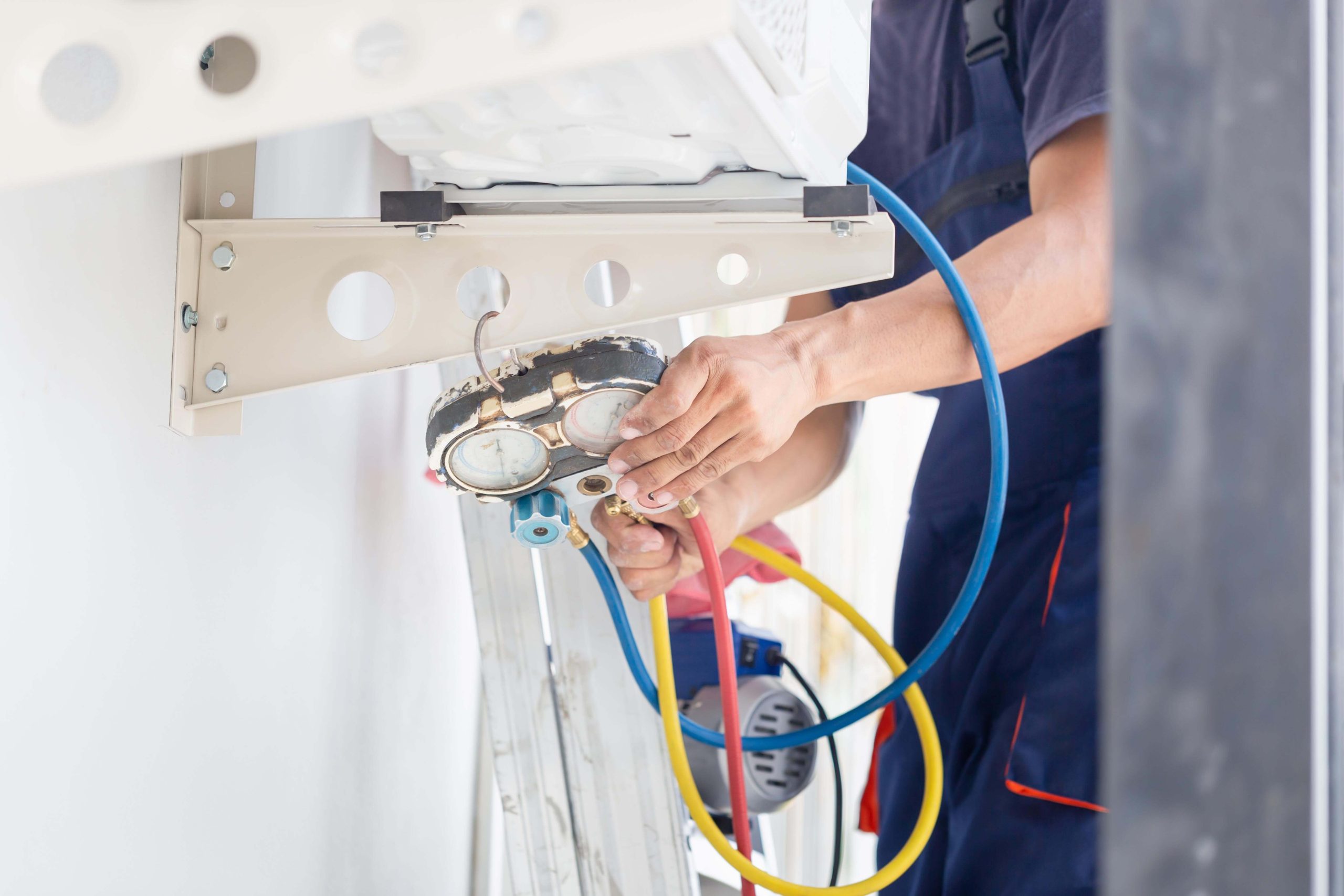
Your air conditioner works quietly in the background — cooling your home or office while you sleep, work, or relax. It rarely asks for attention — until something goes wrong. When cool air fades, strange smells appear, or odd sounds emerge, many people fear the worst. Some expect a costly repair; others hope it’s just a quick fix.
Before jumping to conclusions, it’s important to understand the role of the compressor, how it behaves, and whether a chemical wash could be the solution.
What Role Does the Aircon Compressor Play?
The compressor is the heart of your air conditioning system. It doesn’t just help cool the room — it powers the entire cooling cycle. Just as the heart pumps blood, the compressor circulates refrigerant, the special fluid that absorbs and releases heat.
Its main functions include:
- Drawing in refrigerant gas from the evaporator coil
- Compressing it into a hot, high-pressure state
- Sending it to the condenser coil where heat is expelled
If dirt clogs the system, the compressor must work harder, and that could cause breakdowns.
What Happens During a Chemical Wash?
A chemical wash is a deep-cleaning process that uses specialised solutions to remove dirt, grease, mould, and stubborn build-up that normal cleaning can’t reach. These chemicals break down debris stuck within internal components, restoring flow and performance.
During the service, technicians dismantle key parts—such as coils, filters, and fan units—soak them in cleaning solutions, and rinse them thoroughly. If the compressor is affected, the cleaning extends to this critical component. An aircon compressor chemical wash targets blockages and pressure build-up that impair performance.
It restores the unit to optimal condition without replacing any parts. That’s why many professionals recommend a chemical wash before attempting repairs.
What Warning Signs Should You Spot?
Air conditioners don’t usually break down suddenly—they show subtle signs of distress. Recognising these early can prevent bigger problems down the line.
Look out for:
- Warm air blowing even though the unit is on
- Frequent buzzing or ticking noises
- The system turning off and on more than usual
- Persistent unpleasant smells
One symptom alone may not indicate compressor trouble, but multiple signs are a clear reason to call for an inspection.
Can a Chemical Wash Solve These Issues?
If your aircon is struggling due to internal dirt or grime, a chemical wash can be highly effective. It removes built-up residue that restricts airflow and refrigerant circulation, allowing the compressor to function with less strain.
Benefits include:
- Improved heat exchange by cleaning the coils
- Unblocking narrow refrigerant pathways
- Reducing pressure build-up and mechanical stress
However, chemical washing cannot fix broken parts or burnt wires. But if dirt is the underlying issue, this deep-cleaning method often restores performance quickly and efficiently.
How Often Should You Book One?
Not every unit needs a chemical wash frequently. The need depends on your environment, usage habits, and air quality. In dusty or humid environments—or if you run your aircon daily—build-up will occur more quickly.
Consider an aircon servicing chemical wash if:
- Cooling weakens despite routine servicing
- Mould grows near vents
- Water begins leaking from the indoor unit
- Unpleasant odours persist after filter cleaning
Experts recommend full servicing twice a year. But if issues arise sooner, your compressor may need a deep clean.
What Happens If You Skip It?
Ignoring the need for a chemical wash can lead to serious problems. Over time, dust and moisture combine to form sludge, which can clog coils, narrow pipes, and trap heat. As a result, the compressor must work harder, increasing energy consumption and accelerating wear.
If left unchecked, you may experience:
- Overheating of the compressor
- Significantly higher electricity bills
- Damaged parts that cost more to fix later
In many cases, replacing a worn-out compressor is more expensive than buying a new aircon. Prevention is far more cost-effective.
How Does It Differ from Regular Cleaning?
includes filter dusting, vent wiping, and minor internal clearing. It’s suitable for routine upkeep but doesn’t reach deep blockages. A chemical wash, by contrast, disassembles the unit and targets internal grime, moisture build-up, and microbial growth.
Here’s a quick comparison:
| Type of Cleaning | What It Cleans | Time Needed | Solves Problems Like |
|---|---|---|---|
| Basic Cleaning | Filters, vents, covers | 30–45 mins | Surface dust, light odours, weak airflow |
| Chemical Wash | Coils, drainage, fan coils | 1–2 hours | Mould, deep dirt, persistent smells, cooling loss |
| Compressor Chemical Wash | Compressor, pressure pipes, coils | 2–3 hours | Deep blockages, refrigerant flow issues, noises |
Chemical cleaning goes beyond regular servicing to tackle deeper issues within your aircon system. It’s not required every time — only when specific symptoms appear.
Can You Do It Yourself?
Changing filters or wiping vents is simple enough. But chemical washing—especially of the compressor—is complex, requires specialised tools, and carries electrical risks.
Doing it yourself could lead to:
- Accidental spills on sensitive components
- Missed blockages deep inside the system
- Damage from excessive force
It’s always best to leave this to trained technicians who follow safety protocols, use the correct materials, and fully test the unit after cleaning.
Does It Help Save Energy?
A clean system cools faster and more efficiently. When airflow isn’t obstructed and pressure levels are normal, the compressor doesn’t need to overwork—reducing energy usage and strain.
Benefits of a chemical wash include:
- Quicker cooling with less effort
- Lower monthly energy use
- Longer life for your aircon parts
An aircon that breathes freely uses less electricity and performs more quietly—improving both comfort and efficiency.
How Long Do the Results Last?
After a chemical wash, most systems feel noticeably stronger and cooler. The results can last several months, depending on usage and environmental factors. Regular maintenance helps keep the unit performing well in between deep cleans.
To maintain performance:
- Wash filters every month
- Service the unit every 6 months
- Watch for problem signs
This helps prevent small issues from becoming expensive repairs.
Conclusion
Your air conditioner works hard every day to keep you comfortable. But behind the scenes, dirt builds up, heat slows it down, and stress mounts.
A chemical wash isn’t just about hygiene—it’s about restoring performance. It clears internal blockages, improves cooling efficiency, and extends the life of your unit. If you’ve tried regular cleaning and the problems persist, a deeper clean could be the answer.
Before assuming you need a repair or new unit, ask whether your aircon simply needs an aircon compressor chemical wash. A professional inspection and aircon servicing chemical wash might be all it takes to get your system running like new again.
Frequently Asked Questions
1. What is an aircon compressor chemical wash?
An aircon compressor chemical wash is a deep-cleaning process where trained technicians use chemical solutions to remove grease, mould, and dirt from the compressor and surrounding components—restoring performance and preventing overheating.
2. How often should an aircon compressor be chemically washed?
Most systems benefit from a compressor chemical wash every 1 to 2 years, depending on usage and environment. Dusty, humid, or high-use areas may require more frequent service.
3. What is included in an aircon servicing chemical wash?
This includes cleaning of coils, filters, the drainage system, and sometimes the compressor. Technicians also inspect the refrigerant level, check for leaks, and test system performance.
4. Does chemical washing improve cooling efficiency?
Yes. A chemical wash clears away dirt and buildup that block airflow, allowing the aircon to cool faster and use less energy. This not only improves comfort but also helps reduce electricity bills.