

Why Chemical Cleaning Is Important for Air Conditioner Maintenance
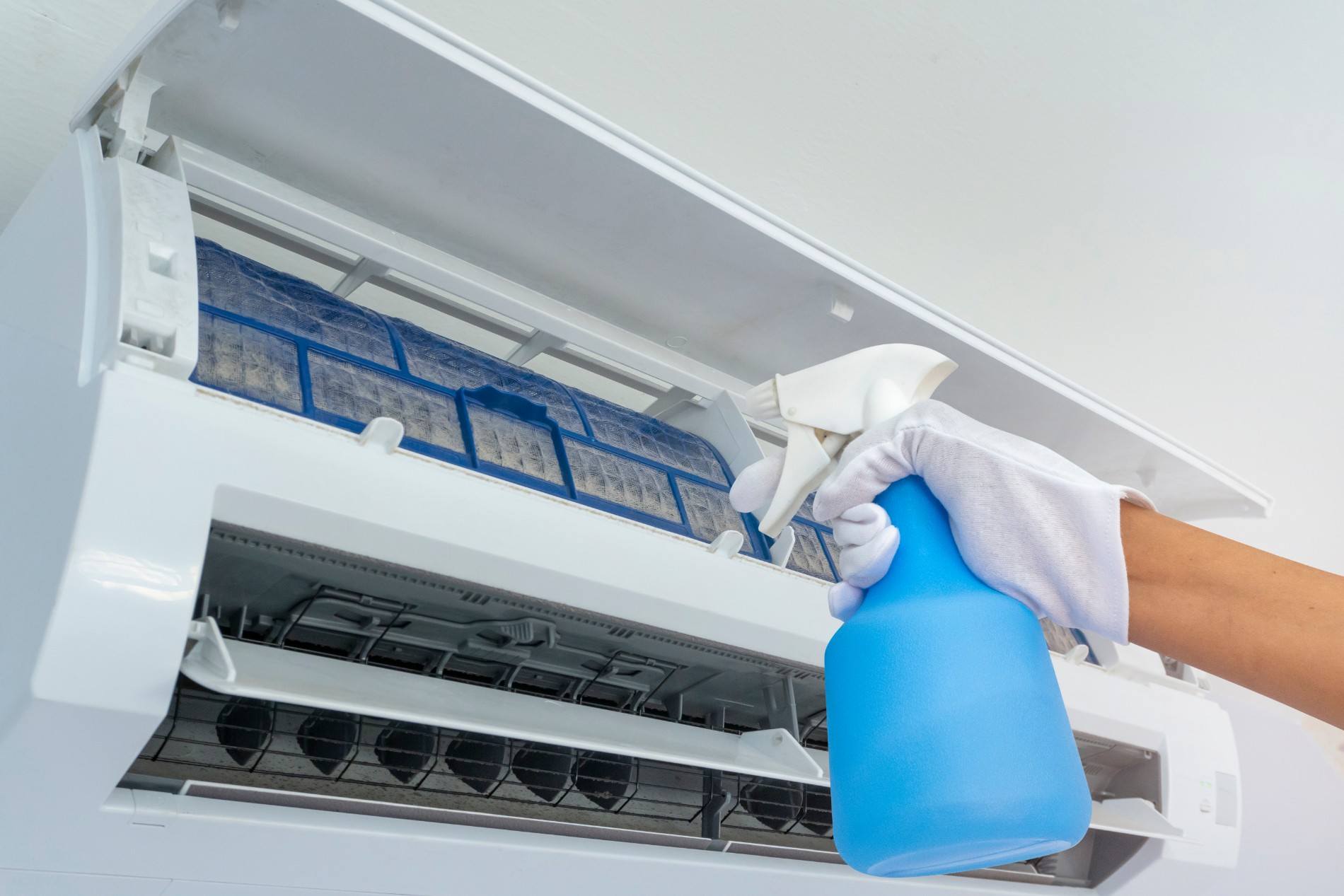
An air conditioner chemical cleaning, also known as a chemical wash, is a deep-cleaning process that removes stubborn dirt, mould, grease, and bacteria from the unit’s internal components. Unlike regular servicing, it reaches hidden areas that affect cooling performance and airflow.
As a result, the system operates more efficiently, consumes less electricity, and lasts longer. A chemical wash is particularly beneficial when your air conditioner develops weak airflow, unpleasant odours, or water leakage. Understanding why a chemical wash is important helps you maintain consistent cooling, improve indoor air quality, and prevent minor issues from becoming costly repairs. This guide explains everything you need to know.
What Is Aircon Chemical Wash?
An aircon chemical wash is a specialised deep-cleaning process that removes stubborn dirt, grease, mould, and bacteria from the internal components of an air conditioning system using specially formulated cleaning solutions. Unlike general servicing, the technician dismantles key components before carrying out a thorough clean.
The purpose of a chemical wash is to restore proper airflow, improve cooling efficiency, and ensure the air conditioner operates as intended.
A chemical wash typically focuses on the following components:
- Evaporator coil
- Air filters
- Cooling fins
- Blower wheel
- Drain tray
- Drain pipe
After every component has been thoroughly cleaned, the technician rinses, reassembles, and tests the system to ensure it is operating correctly.
Why Aircon Need Chemical Wash?
Air conditioners naturally accumulate dust, dirt, and moisture during daily operation. Over time, this build-up reduces cooling efficiency, affects indoor air quality, and forces the system to work harder than necessary.
Hot, Humid Climate
Singapore’s hot and humid climate creates ideal conditions for mould and bacterial growth inside the air conditioning unit. Daily operation further accelerates this build-up, particularly on the evaporator coil and other internal components.
Reduced Cooling Efficiency
When the evaporator coil becomes coated with dirt, it cannot transfer heat effectively. As a result, the air conditioner takes longer to cool the room, consumes more electricity, and places additional strain on the compressor.
Poor Indoor Air Quality
Dust, mould, bacteria, and other airborne contaminants trapped inside the system can circulate throughout your home whenever the air conditioner is running. This may reduce indoor air quality and create unpleasant odours.
When Do You Need Aircon Chemical Wash?
Your air conditioner will usually display several warning signs when a chemical wash is required instead of routine servicing. If you notice two or more of the following symptoms, it is generally time to arrange a chemical wash.
- Poor Cooling Performance: Even though the air conditioner appears to be operating normally, it takes much longer than usual to cool the room.
- Unpleasant Odours: A persistent musty smell when the air conditioner is switched on usually indicates mould, bacteria, or dirt build-up inside the unit.
- Water Leakage: Water dripping from the indoor unit may be caused by clogged drain pipes or slime build-up that prevents condensate from draining properly.
- Higher Electricity Bills: If your electricity bills increase despite similar usage, dirty coils may be forcing the compressor to work harder, resulting in greater energy consumption.
- Visible Mould Growth: Mould around the air vents or inside the indoor unit is a clear indication that contamination has developed within the system.
If you notice two or more of these warning signs, it is advisable to arrange a chemical wash as soon as possible rather than waiting for your next scheduled servicing appointment.
Benefits of an Aircon Chemical Wash
An air conditioner chemical wash offers more than a thorough clean. It restores system performance, improves energy efficiency, and helps extend the lifespan of your air conditioning unit.
Better Cooling Performance
A clean evaporator coil transfers heat more efficiently, allowing your air conditioner to cool the room faster while maintaining a comfortable and consistent indoor temperature.
Lower Electricity Bills
An efficient air conditioning system requires less electricity to achieve the desired temperature. By reducing unnecessary strain on the compressor, a chemical wash can help lower your long-term electricity costs while improving overall system performance.
Improved Indoor Air Quality
A professional chemical wash removes accumulated dust, mould, bacteria, and other contaminants from inside the air conditioner. This helps the system circulate cleaner, fresher air throughout your home while improving overall indoor air quality.
Longer Equipment Lifespan
Removing stubborn dirt and grease reduces unnecessary strain on internal components. Regular chemical washes help minimise wear and tear, allowing your air conditioner to operate more efficiently and last longer.
Fewer Breakdowns
Deep cleaning helps prevent blocked drainage pipes, restricted airflow, and other common problems that can affect cooling performance. Routine chemical washes also reduce the likelihood of costly air con repairs by addressing dirt build-up before it causes serious damage.
How Does an Aircon Chemical Wash Work?
An air conditioner chemical wash follows a systematic process to remove stubborn dirt and contaminants from the unit’s internal components. Although the exact procedure may vary slightly between service providers, professional technicians generally follow these key steps.
Step 1: Inspect the Air Conditioner
The technician inspects the entire system before beginning the cleaning process to identify any existing faults or areas of concern.
- Check cooling performance.
- Inspect airflow and drainage.
- Examine electrical connections and visible damage.
Step 2: Dismantle Key Components
Removable components are carefully dismantled to allow access to hidden areas that cannot be reached during general servicing.
- Remove the front cover and air filters.
- Dismantle the fan blower and drain tray.
- Access other serviceable internal components.
Step 3: Apply a Specialised Cleaning Solution
A professional chemical solution is applied to loosen stubborn dirt, grease, mould, and bacteria without damaging sensitive air conditioning components.
- Clean the evaporator coil.
- Remove grease, mould, and bacteria.
- Protect delicate cooling fins.
Step 4: Clean the Internal Components
Each component is thoroughly rinsed to remove loosened debris, restore airflow, and improve cooling efficiency.
- Evaporator coil.
- Fan blower.
- Drainage system.
Step 5: Reassemble and Test the Unit
After cleaning, the technician carefully reassembles the air conditioner and carries out a series of performance tests to ensure everything is operating correctly.
- Test cooling performance.
- Check airflow and water drainage.
- Inspect noise levels and overall operation.
How Often Should You Book an Aircon Chemical Wash?
| How You Use It | How Often to Wash |
| Bedroom unit, 10–12 hours a day | Every 6 months |
| Living room unit, 4–6 hours a day | Every 12 months |
| Home near a construction site, busy road, or with pets | Every 6 months |
| Home with allergy sufferers or young children | Every 6 months, plus a service every 3 months |
| Office or retail units operating throughout the day | Every 3–4 months |
Common Mistakes to Avoid
Maintaining your air conditioner involves more than scheduling routine servicing. Avoiding common mistakes helps keep the system operating efficiently and extends its lifespan.
- Waiting Until Cooling Performance Declines: Address minor cooling issues early before they develop into more serious and expensive repairs.
- Using Household Cleaning Products: Ordinary household cleaners can damage delicate internal components. Chemical cleaning should always be carried out by qualified technicians using appropriate cleaning solutions.
- Neglecting Air Filters: Dirty air filters restrict airflow and reduce cooling efficiency. Clean or replace them regularly according to the manufacturer’s recommendations.
- Choosing the Cheapest Service: Low-cost servicing may not include a thorough cleaning. A reputable technician will recommend the most suitable maintenance based on your air conditioner’s condition rather than offering unnecessary services.
Best Practices to Keep Your Air Conditioner Running Efficiently
A chemical wash is most effective when combined with regular preventive maintenance. Following a few simple habits can help keep your air conditioner operating efficiently throughout the year.
- Clean or replace the air filters regularly.
- Arrange professional servicing at the recommended intervals.
- Keep furniture away from indoor air vents.
- Ensure the outdoor condenser remains free from obstructions.
- Pay attention to unusual noises or unpleasant odours.
- Arrange a professional inspection if cooling performance changes.
These simple maintenance habits reduce unnecessary strain on your air conditioning system, improve energy efficiency, and help deliver reliable cooling all year round.
Conclusion
Regular maintenance is the key to keeping your air conditioner operating efficiently, but there are times when general servicing alone is not enough. A chemical wash removes deep-seated dirt, mould, grease, and bacteria that can reduce cooling performance, affect indoor air quality, and increase energy consumption. By recognising the early signs of dirt build-up and arranging a chemical wash when required, you can help prevent costly repairs and extend the lifespan of your air conditioner. Combined with routine servicing, a proper maintenance schedule will keep your system delivering reliable cooling and greater comfort throughout the year.
Key Takeaways
- A chemical wash removes stubborn dirt, mould, and grease that cannot be eliminated through general servicing.
- Schedule a chemical wash every 6–12 months, depending on how frequently your air conditioner is used.
- Watch for signs such as poor cooling performance, unpleasant odours, water leakage, or rising electricity bills.
- Consider a chemical overhaul for older units or if problems persist after a chemical wash.
- Always engage a qualified technician, as a chemical wash should not be carried out as a DIY task.
Frequently Asked Questions
What is aircon chemical wash?
An air conditioner chemical wash is a deep-cleaning process that uses specialised cleaning solutions to remove dirt, grease, mould, and bacteria from components such as the evaporator coil, fan blower, and drainage system. It is far more effective than general servicing in restoring cooling performance.
Why does an aircon need a chemical wash?
Over time, dust, grease, and mould accumulate inside the evaporator coil and other internal components, particularly in Singapore’s hot and humid climate. This restricts airflow, reduces cooling efficiency, and increases electricity consumption.
When do you need aircon chemical wash?
A chemical wash is recommended if your air conditioner has weak cooling performance, unpleasant odours, water leakage, or unusually high electricity consumption. Even if no obvious problems are present, many households benefit from a chemical wash every six to twelve months, depending on usage.
Does a chemical wash improve energy efficiency?
Yes. Cleaning the evaporator coil and restoring proper airflow allows the air conditioner to cool more efficiently, reducing unnecessary energy consumption.
How long does an aircon chemical wash take?
A professional chemical wash typically takes between one and three hours, depending on the type, size, and condition of the air conditioning unit.