

How Much Is Aircon Gas Top Up in Singapore? What It Really Costs
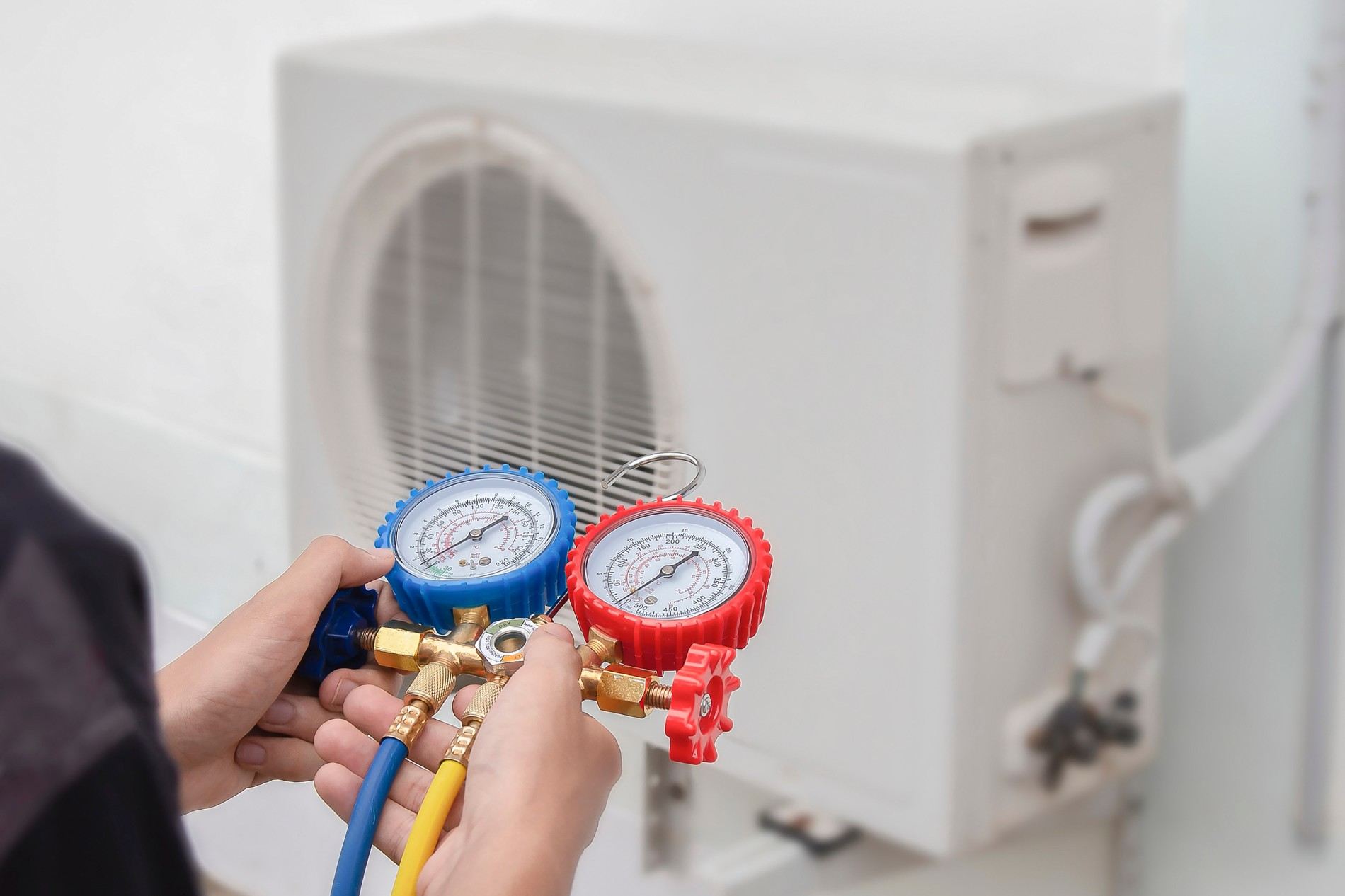
The cost of an air conditioner gas top-up in Singapore typically ranges from $60 to $150 (T&C apply), depending on the type of refrigerant used, the air conditioning system, and whether additional repairs are required. However, most air conditioners should not require regular refrigerant refills because they operate as sealed systems.
If your air conditioner is blowing warm air or taking longer than usual to cool, the problem may not be caused by low refrigerant. Dirty filters, blocked coils, or faulty components can produce similar symptoms. Before paying for a refrigerant refill, it is worth understanding what is affecting your system. In this guide, you’ll learn how much an aircon gas top-up costs in Singapore, what influences the price, when a refill is genuinely required, and the warning signs that indicate your air conditioner needs professional attention.
What Is an Aircon Gas Top-Up?
An air conditioner gas top-up is the process of replenishing refrigerant when the system has lost part of its original refrigerant charge.
Despite its name, air conditioner gas is not a fuel source. It is a refrigerant that absorbs heat from inside your property before releasing it outdoors through the refrigeration cycle. When the refrigerant level becomes too low, your air conditioner cannot transfer heat efficiently, resulting in reduced cooling performance.
Unlike petrol in a vehicle, refrigerant is not consumed during normal operation. It circulates continuously within a sealed system. If the refrigerant level falls, it almost always indicates a leak somewhere within the air conditioning system that should be identified and repaired.
How Much is Aircon Gas Top Up in Singapore?
The cost depends on the refrigerant your unit uses, how much is needed and whether a leak needs repairing. A properly functioning aircon should not need regular refills. If yours is no longer cooling well, ask a technician to check the cause before arranging a top-up.
Refrigerant | Common In | Typical Price Range |
R32 | Units installed after 2018 | $80 – $150(T&C apply) |
R410A | Units installed 2010–2018 | $60 – $120(T&C apply) |
R22 | Older units are being phased out | $30 – $90(T&C apply) |
What Affects the Final Price?
The cost of an air conditioner gas top-up varies from one property to another. Several factors determine how much refrigerant is required and whether additional work must be completed before the system can be safely recharged.
Type of Refrigerant
Different refrigerants have different market prices. Older refrigerants such as R22, together with R410A and R32, all carry different costs depending on availability and the type of air conditioner installed.
Amount of Refrigerant Lost
A system that has lost only a small amount of refrigerant generally costs less to recharge than one with a significant refrigerant loss. Technicians measure the remaining refrigerant using operating pressure and diagnostic equipment before recommending a refill.
System Size
Larger air conditioning systems require a greater quantity of refrigerant than single split systems. Multi-split and commercial aircon servicing therefore cost more to recharge.
Leak Test Inclusion
Some companies charge only for the refrigerant itself, while others include leak detection and pressure testing as part of the service. Although this may increase the initial cost, leak testing is essential because it identifies the cause of the refrigerant loss before the system is recharged.
What Causes Refrigerant Loss?
Refrigerant does not disappear during normal operation. Low refrigerant levels almost always indicate a fault within the sealed system.
Common causes include:
- Corroded copper pipes.
- Loose flare joint connections.
- Damaged service valves.
- Poor installation.
- Ageing components.
- Accidental damage during renovation work.
In many cases, small refrigerant leaks develop gradually over several months. Homeowners usually notice weaker cooling performance long before the air conditioner stops working completely.
Signs Your Air Conditioner May Need a Gas Top-Up
Low refrigerant levels reduce cooling performance and force the air conditioner to work harder than normal. Although the following symptoms may indicate that a refrigerant top-up is required, they can also be caused by other faults.
The Room Takes Longer to Cool
If your room takes noticeably longer to reach the selected temperature, low refrigerant may be responsible. However, dirty air filters or blocked condenser coils can produce similar symptoms.
Warm Air From the Indoor Unit
When refrigerant levels become too low, the system cannot absorb enough heat from the room. As a result, the indoor unit may blow warm or only slightly cool air.
Ice Forms on the Pipes
Ice forming on the refrigerant pipes or evaporator coil is another common sign of low refrigerant. If left unresolved, this can place additional strain on the compressor and lead to expensive repairs.
Higher Electricity Bills
An air conditioner with insufficient refrigerant has to run longer to cool the room, increasing electricity consumption and monthly utility costs.
Hissing or Bubbling Sounds
Hissing or bubbling noises often indicate escaping refrigerant. Rather than simply refilling the refrigerant, arrange for a qualified technician to perform an air con repair and inspect the system and fix the leak first.
What Happens During an Aircon Gas Top-Up?
An air conditioner gas top-up involves much more than simply adding refrigerant. A qualified technician follows a structured process to ensure the system is operating safely, efficiently, and without leaks before any refrigerant is added.
Step 1: Inspect the Air Conditioner
The technician begins by assessing the overall condition of the air conditioning system to identify any performance issues and determine whether a refrigerant refill is genuinely required.
- Check cooling performance.
- Measure operating pressure.
- Inspect both the indoor and outdoor units.
Step 2: Check for Refrigerant Leaks
Before adding refrigerant, the technician carefully checks the system for leaks that may have caused the refrigerant loss. Repairing leaks first helps prevent the same problem from recurring.
- Use an electronic leak detector.
- Perform a pressure test or a soapy water leak test.
- Identify damaged pipes, flare joints, or other leaking components.
Step 3: Vacuum the System (If Required)
If the refrigerant circuit has been opened during repair work, the technician will vacuum the system to remove any air and moisture before adding new refrigerant. This prevents contamination and helps the air conditioning system operate efficiently.
- Remove trapped air from the system.
- Remove moisture from the refrigerant pipes.
- Prepare the system for refrigerant recharging.
Step 4: Recharge the Refrigerant
The technician recharges the system with the correct type and quantity of refrigerant specified by the manufacturer. Accurate charging is essential for efficient cooling performance and reliable operation.
- Add the correct refrigerant.
- Measure the refrigerant charge accurately.
- Follow the manufacturer’s specifications.
Step 5: Test the Cooling Performance
After recharging the air conditioner, the technician carries out several performance checks to ensure the system is operating correctly. These tests include:
- Measuring the air outlet temperature.
- Checking the operating pressure.
- Confirming efficient cooling performance.
Gas Top-Up vs Full Servicing
Feature | Gas Top-Up | Full Servicing |
Purpose | Replenishes lost refrigerant | Cleans filters, coils, and the drainage system |
When needed | Only when refrigerant has been lost due to a leak | Every 3–6 months, regardless of refrigerant level |
Fixes warm air caused by low gas | Yes | No |
Improves airflow and efficiency | No | Yes |
Common Mistakes to Avoid
Simple mistakes can increase servicing costs or even damage your air conditioning system. Understanding what to avoid helps you make informed decisions and prevents unnecessary expenses.
- Skipping a Leak Inspection: Recharging the refrigerant without checking for leaks does not solve the underlying problem. If the leak remains, the newly added refrigerant will eventually escape, requiring another top-up.
- Choosing the Cheapest Quotation: The lowest quotation may exclude important services such as leak detection, pressure testing, or vacuuming the system. Always compare the scope of work instead of focusing solely on price.
- Using the Wrong Refrigerant: Your air conditioner should always be recharged with the refrigerant specified by the manufacturer. Mixing different refrigerants or using the wrong type can reduce efficiency and potentially damage the compressor.
- Ignoring Repeated Refrigerant Top-Ups: An air conditioner should not require regular refrigerant refills. If your system needs repeated gas top-ups every few years, there is almost certainly a refrigerant leak that requires repair.
How to Reduce the Risk of Refrigerant Problems
Although not every problem can be prevented, regular maintenance significantly reduces the likelihood of refrigerant-related issues while helping your air conditioner perform efficiently.
Good maintenance practices include:
- Cleaning or replacing the air filters regularly.
- Scheduling professional servicing at the recommended intervals.
- Keeping the outdoor condenser free from leaves, dirt, and debris.
- Addressing unusual noises or reduced cooling performance promptly.
- Repairing minor faults before they become major problems.
These simple maintenance habits reduce strain on the system, improve cooling efficiency, and help your air conditioner operate as intended.
Conclusion
The cost of an air conditioner gas top-up in Singapore typically ranges from $60 to $150(T&C apply), depending on the type of refrigerant, the air conditioning system, and whether additional repairs are required. If you’re wondering how much an aircon gas top-up is in Singapore, the exact price depends largely on the condition of your unit and whether a refrigerant leak needs to be repaired. A refrigerant refill is only necessary when the sealed system has lost refrigerant, which almost always happens because of a leak. Simply topping up the refrigerant without identifying and repairing the source of the leak will usually lead to repeated gas loss, ongoing cooling problems, and higher repair costs over time.
If your air conditioner is no longer cooling effectively, arrange for a professional inspection before authorising a refrigerant refill. An experienced technician can diagnose the actual cause of the problem and recommend the most appropriate solution. Understanding when a gas top-up is genuinely required helps you avoid unnecessary expenses while keeping your air conditioner operating efficiently for many years.
Frequently Asked Questions
How often should I top up my aircon refrigerant?
If your air conditioner is operating correctly and the sealed system has no leaks, you should never need to top up the refrigerant. If refrigerant needs to be added every two or three years, there is most likely a leak that should be repaired.
Why is my aircon still blowing warm after a gas top up?
This may indicate that the refrigerant leak was not repaired before recharging, the refrigerant charge is incorrect, or another fault such as a compressor problem is affecting performance. The technician should carry out further testing to identify the cause.
Is R32 better than R410A?
R32 is generally more energy-efficient and has a lower environmental impact than R410A, which is why it has become the standard refrigerant for many newer air conditioners installed after 2018. R410A remains reliable but is gradually being phased out.
Does a gas top-up permanently fix a leaking aircon?
No. A gas top-up only replaces the missing refrigerant. The leak must first be located and repaired; otherwise, the newly added refrigerant will eventually leak out again.
Is an aircon gas top-up covered under warranty?
This depends on the manufacturer and the warranty terms. Many new air conditioning systems include warranty cover for refrigerant leaks caused by manufacturing defects, although accidental damage, poor installation, or normal wear and tear may not be covered.