

Is Aircon Gas Top Up Necessary in Singapore? Signs Your Air Conditioner Needs
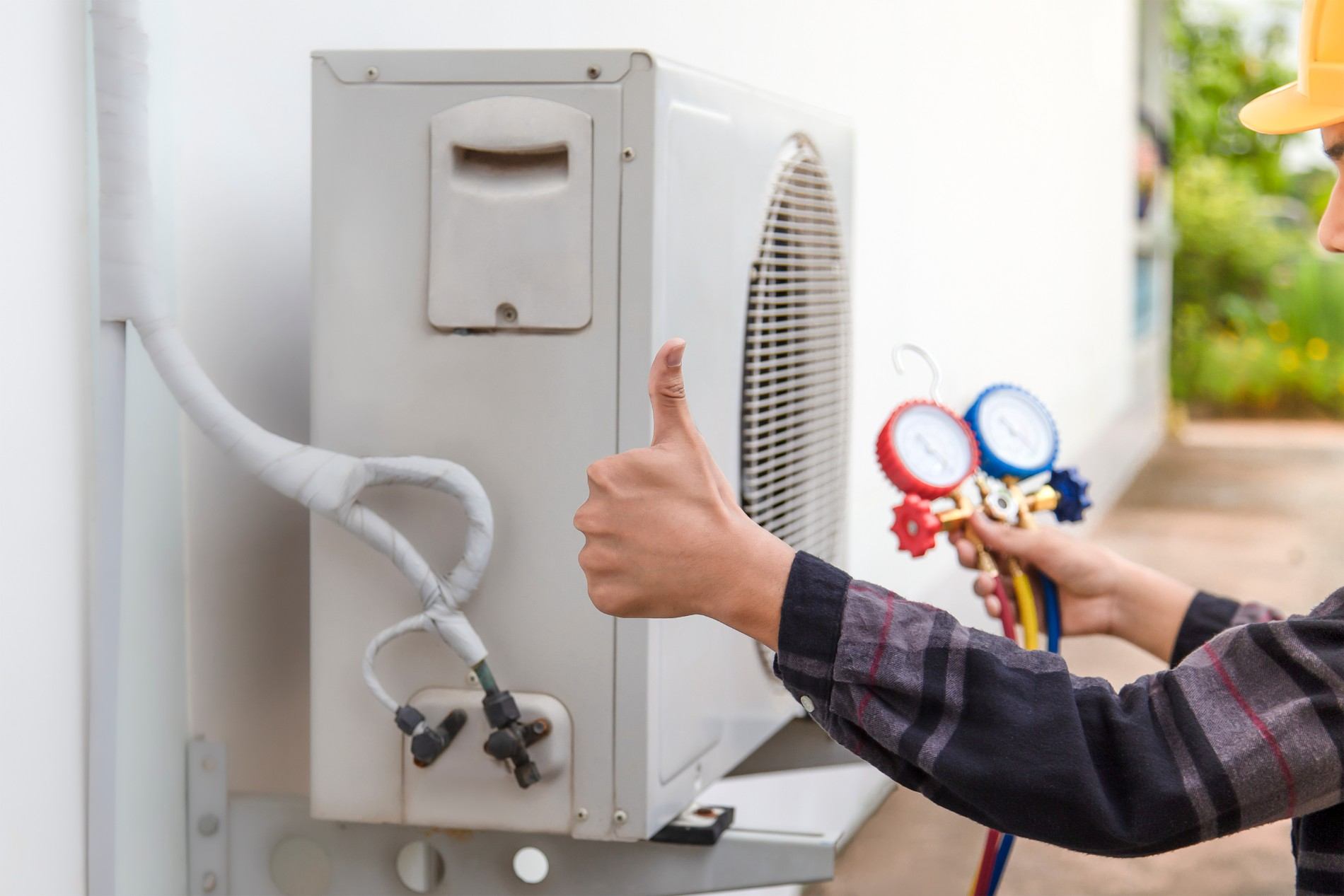
Your air conditioner should not require regular gas top-ups if it is operating properly. The refrigerant remains inside a sealed system, so it is not consumed during normal operation. If the refrigerant level drops, it usually indicates a leak or another fault that requires repair rather than a simple refill.
This is why many homeowners ask whether an air con gas top-up is necessary in Singapore, especially when their unit no longer cools as effectively as it once did. The good news is that low refrigerant is only one of several possible causes. In this guide, you’ll learn the warning signs to look out for, what causes refrigerant loss, when a gas top up is genuinely required, and how to keep your air conditioner operating efficiently for years to come.
What Is Aircon Gas?
Air conditioner gas, also known as refrigerant, is the substance that allows an air conditioning system to cool your home. It absorbs heat from inside the property before releasing it outdoors through the refrigeration cycle.
Unlike fuel, refrigerant is not consumed during normal operation. It circulates continuously within a sealed system, which means it should never run low unless there is a leak or another fault within the system.
Most modern air conditioners in Singapore use refrigerants such as:
- R32
- R410A
Some older air conditioners still use R22, although this refrigerant has largely been phased out because of environmental concerns.
Is Aircon Gas Top-Up Necessary in Singapore?
A gas top-up is only necessary if refrigerant has escaped from the air conditioning system or if refrigerant was lost during certain repair procedures.
Air conditioners are designed as sealed systems where refrigerant circulates continuously without being consumed. If the refrigerant level drops, it usually means there is a leak somewhere within the system. Common causes include damaged piping, corroded coils, poor installation, or loose pipe connections.
Although topping up the refrigerant may temporarily restore cooling performance, it does not resolve the underlying cause of the problem. Identifying and repairing the refrigerant leak is the most effective long-term solution.
Why Does an Air Conditioner Lose Refrigerant?
Refrigerant is not consumed while an air conditioner is operating normally. A drop in refrigerant level almost always indicates a leak or physical damage somewhere within the cooling system.
- Refrigerant Leaks: Even very small cracks or holes in refrigerant pipes and connections can gradually allow refrigerant to escape.
- Poor Installation: Incorrectly installed refrigerant pipes or poorly tightened connections may eventually lead to refrigerant leaks.
- Corrosion: Singapore’s hot and humid climate can gradually corrode copper pipes, increasing the risk of refrigerant leaks over time.
- Damage to the Outdoor Unit: Physical damage caused during renovation work or accidental impact may damage refrigerant pipes and result in refrigerant loss.
Signs Your Air Conditioner Needs a Gas Top Up
Low refrigerant gradually reduces your air conditioner’s cooling performance. If you notice any of the following warning signs, arrange a professional inspection as soon as possible.
Weak Cooling
If your room remains warm even though the temperature is set low, insufficient refrigerant could be preventing the system from removing heat effectively. However, other issues such as dirty filters or blocked coils may produce similar symptoms.
Ice Forming on the Indoor Unit
Ice forming on the evaporator coil or refrigerant pipes often indicates low refrigerant caused by a leak. This happens because the coil becomes excessively cold, causing condensation to freeze.
Hissing or Bubbling Sounds
A hissing sound may indicate refrigerant escaping through a leak, while bubbling noises can occur when refrigerant passes through damaged sections of pipework. Both require professional aircon repair attention.
Higher Electricity Bills
When refrigerant levels are low, the compressor has to work harder and operate for longer periods to cool the room. This increases electricity consumption and monthly utility costs.
Longer Cooling Cycles
If your air conditioner takes noticeably longer to cool a room than it previously did, refrigerant loss could be affecting its performance. Slow cooling is often one of the earliest signs of a refrigerant leak.
How Do Technicians Check Your Air Conditioner Needs a Gas Top-Up?
Before recommending a refrigerant refill, a qualified technician carries out a thorough inspection of the entire air conditioning system. This helps identify the actual cause of the problem, prevents unnecessary work, and ensures the correct repair is carried out before any refrigerant is added.
Step 1: Inspect the Air Conditioner
The technician begins by inspecting both the indoor and outdoor units for any visible signs of wear, damage, or refrigerant leaks. This initial inspection helps identify potential faults before further testing is carried out.
- Inspect refrigerant pipes and fittings.
- Check for oil stains, corrosion, or physical damage.
- Look for worn or damaged components.
Step 2: Measure Refrigerant Pressure
Pressure gauges are connected to the air conditioning system to measure the refrigerant pressure. Low pressure readings may indicate insufficient refrigerant or a refrigerant leak.
- Connect refrigerant pressure gauges.
- Compare pressure readings with the manufacturer’s specifications.
- Assess the overall operating performance of the system.
Step 3: Test for Refrigerant Leaks
If the refrigerant pressure is lower than expected, the technician performs leak detection tests to identify the source of the refrigerant loss before adding more refrigerant.
- Use an electronic refrigerant leak detector.
- Carry out a soap solution or UV dye leak test.
- Perform a nitrogen pressure test if required.
Step 4: Repair the Leak
Once the source of the leak has been identified, the faulty component is repaired or replaced. Repairing the leak prevents refrigerant from escaping again after the system has been recharged.
- Tighten loose pipe connections.
- Repair or replace damaged refrigerant pipes.
- Replace faulty valves, joints, or fittings.
Step 5: Vacuum and Recharge the System
After the repair has been completed, the technician vacuums the refrigerant system to remove any trapped air and moisture before recharging it with the correct refrigerant.
- Vacuum the refrigerant lines.
- Recharge the system with the correct refrigerant.
- Test the system to confirm proper cooling performance.
Aircon Gas Top Up vs Leak Repair
Aspect | Aircon Gas Top-Up | Leak Repair |
Purpose | Replenishes lost refrigerant | Repairs the source of the refrigerant leak |
When It’s Needed | After a confirmed leak has been repaired or refrigerant has been removed during repairs | When the system has a refrigerant leak or damaged components |
Long-Term Result | Restores cooling temporarily if the leak remains | Provides a permanent solution by preventing further refrigerant loss |
Cost Over Time | May result in repeated servicing and higher long-term costs | Helps reduce future servicing and repair expenses |
Best Approach | Suitable only after diagnosing and repairing the underlying fault | Always recommended before considering a refrigerant top-up |
Common Mistakes Homeowners Make
Many homeowners assume that every cooling problem requires a refrigerant top-up. Understanding these common mistakes helps you avoid unnecessary repairs and additional servicing costs.
- Assuming Every Cooling Problem Requires a Gas Top-Up: Poor cooling performance can also be caused by dirty air filters, blocked coils, faulty fans, or other mechanical faults. Always have the system inspected before authorising a refrigerant refill.
- Ignoring Early Warning Signs: Ice formation, unusual operating noises, or longer cooling times may indicate a refrigerant leak. Ignoring these symptoms often allows the problem to worsen and may lead to more expensive repairs.
- Skipping Regular Servicing: Routine servicing helps identify developing faults before they become serious problems while keeping the air conditioning system operating efficiently.
- Choosing the Cheapest Service: A low-cost refrigerant top-up without proper leak detection rarely solves the underlying problem. A reputable technician should always identify the cause of refrigerant loss before adding more refrigerant.
Choosing the Right Technician for Refrigerant Issues
Choose a technician who carries out a proper diagnosis before recommending a refrigerant top-up. A reliable air conditioning specialist should:
- Explain why the refrigerant level has dropped.
- Show you the location of the refrigerant leak, where possible.
- Provide a clear quotation before any work begins.
- Be qualified to service both R32 and R410A air conditioning systems.
Simple Ways to Keep Your Air Conditioner Running Efficiently
Although refrigerant leaks cannot always be prevented, regular maintenance reduces unnecessary strain on the system and helps keep your air conditioner operating efficiently.
Helpful maintenance tips include:
- Clean or replace the air filters regularly.
- Arrange professional servicing at the recommended intervals.
- Keep the outdoor condenser free from leaves, dirt, and debris.
- Avoid setting the temperature unnecessarily low.
- Monitor your air conditioner’s cooling performance.
- Pay attention to unusual noises, ice formation, or water leaks.
Following these simple habits improves efficiency, reduces unnecessary wear, and may help prevent costly repairs.
Conclusion
If you are wondering is aircon gas top-ups necessary in Singapore, the answer is usually no. Refrigerant remains inside a sealed system and should not require regular refilling during normal operation. When cooling performance declines, the cause is far more likely to be a refrigerant leak or another mechanical fault than normal refrigerant loss.
Rather than assuming a refrigerant refill is the solution, arrange for a professional inspection to identify the underlying cause. Repairing faults early improves cooling performance, reduces electricity consumption, and helps extend the lifespan of your air conditioner. Combined with regular servicing and prompt repairs, this approach keeps your air conditioning system operating reliably throughout Singapore’s hot and humid climate.
Frequently Asked Questions
How do I know whether my aircon needs a gas top-up or routine servicing?
Look for warning signs such as ice forming on the evaporator coil, hissing sounds, or noticeably slower cooling performance. If these symptoms are absent, the problem is often caused by dirty filters or coils, making routine servicing the more appropriate solution.
Does topping up the refrigerant permanently fix a leak?
Not necessarily. It might provide a temporary solution because you add gas into your system when there is still a leak, meaning the levels will go down again after a few months.
Is R32 or R410A better for refrigerant top-ups in Singapore?
R32 is generally more energy-efficient and environmentally friendly than R410A. However, whichever refrigerant your air conditioner uses, it should always be handled by a qualified technician familiar with that specific refrigerant.
Why does my aircon need a top-up every year?
If your air conditioner requires refrigerant every year, there is almost certainly a refrigerant leak that has not been properly repaired. Under normal operating conditions, refrigerant should not need regular topping up.
Can low refrigerant damage the compressor?
Yes. Operating an air conditioner with insufficient refrigerant places extra strain on the compressor because it has to work harder for longer periods. If left unresolved, this can shorten the compressor’s lifespan and lead to costly repairs or replacement.